


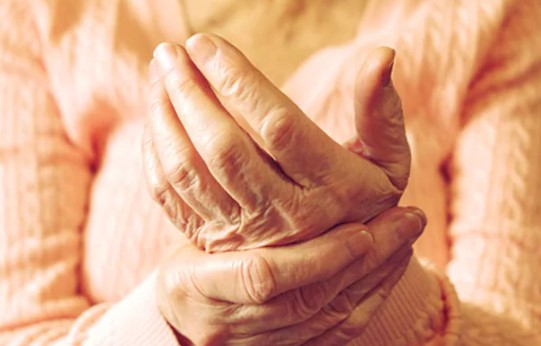
Dr. Saurabh Sethi talked about the gradual loss of muscle mass and how you can address this problem.
Do you know about age-related muscle loss? Dr. Saurabh Sethi, a gastroenterologist trained at Harvard, Stanford, and AIIMS, recently shared an Instagram post discussing the gradual muscle loss that comes with age. Citing a 2023 report published in The Lancet Public Health, he revealed, “After 30, you start losing about 1% of muscle every year - quietly, without noticing,” which is known as Sarcopenia. This is a medical condition characterised by the gradual loss of skeletal muscle mass, strength, and function due to age. According to various studies, Sarcopenia typically begins around age 30 and can accelerate after 60, impacting the quality of life by reducing the ability to perform daily tasks and increasing the risk of falls and fractures.
The doctor then underscored why Sarcopenia matters. Outlining the significant health consequences associated with having less muscle mass, he mentioned that this leads to:
- Slower metabolism
- More fat storage
- Insulin resistance
- Higher fatty liver risk
- Weaker bones and posture
The gastroenterologist added, “Muscle is your body's largest glucose sponge. It absorbs sugar from the blood and helps keep blood sugar stable.” Hence, the loss of muscle also refers to an imbalance in the blood sugar levels.
Citing the 2009 Lancet paper by Tabák AG et al., he shared, “For women, muscle loss often accelerates between 35 to 40. As estrogen declines, muscle breakdown speeds up. That's why many perimenopausal women feel weaker even if their weight hasn't changed.”
What are the early signs of Sarcopenia?
He outlines subtle physical changes that may indicate declining health before they are actually noticed. These include:
- Getting tired faster while climbing stairs
- Muscle tone drops even if the weight stays the same
- A surge in feelings of tiredness
What is the solution?
According to him, studies show that resistance training significantly improves muscle strength and insulin sensitivity - even in adults over 60, as per a publication by Fiatarone MA et al., in the New England Journal of Medicine.
What actually helps muscle growth is-
- Consuming 1.2 to 1.6 g/kg of protein per day.
- Engage in resistance training or brisk walking
- Proper rest by ensuring good sleep
- Adequate vitamin D levels for recovery and strength
He concluded by sharing, “Don't wait to get old to build muscle. Build it to stay young, strong, and metabolically alive.”
The doctor captioned the post, highlighting that if you're over 30, your body is losing muscle every year. So the need of the hour is to take action as soon as possible.


comments


Other categories
Recent Comments