


Cyber cheats hijack networks, send forged banking/KYC messages to defraud residents
Cyber fraudsters are devising new ways and means everyday to dupe the unsuspecting residents and take away their hard-earned money in a jiffy.
One such cyber-fraud mechanism is run by installing fake mobile towers (base transceiver stations) carried in cars, through which mobile phones are made unsafe by downscaling these from 4G/5G to 2G networks, exposing sensitive data of consumers to theft.
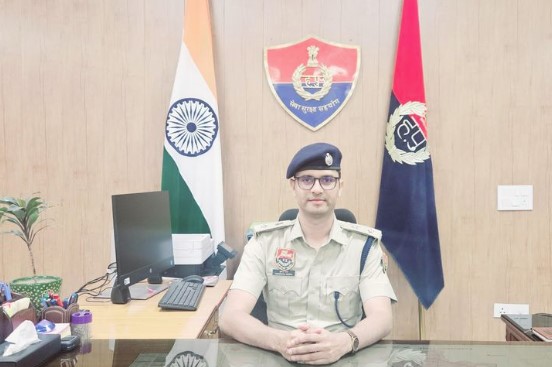
Rewari Superintendent of Police Hemendra Kumar Meena has appealed to the residents to be vigilant against a dangerous cyber fraud being perpetrated through fake mobile towers (BTS) and SMS blast technology.
The cyber criminals are now using sophisticated techniques to directly target mobile networks, which puts the personal and banking information of residents at risk,” he stated.
What is a Fake BTS/SMS Blast scam?
In this type of fraud, cyber fraudsters create fake mobile towers using portable devices that can be installed in a car, bag, or other hidden locations. When a mobile phone searches for a network, it connects to the strongest signal, which is often sent by the fake tower.
After this, the mobile is removed from secure 4G/5G networks and shifted to 2G network, where security is weak. Taking advantage of this situation, criminals send a large number of fake messages via SMS blaster, claiming to have blocked their bank accounts or SIM card.
Clicking on the links given in these messages compromises the user’s personal and banking information, which may then be stolen.
How to stay safe from frauds
Do not click on any link in any unknown or suspicious SMS. If your mobile phone suddenly switches from 4G/5G to 2G network, be alert immediately. As far as possible, turn off the use of 2G networks in mobile settings. Banks or government departments never ask for information by sending links through SMS. Keep updating your mobile phone’s software and security updates from time to time. Do not ignore any suspicious activity or messages and investigate immediately. Do not share your personal, banking or OTP related information with anyone. Make family members, especially the elderly, aware of this type of cyber fraud.
If anyone encounters any type of cyber fraud or receives suspicious messages like this, he/she should immediately call the cyber helpline number 1930 or file a complaint on the portal cybercrime.gov.in. A timely complaint can prevent financial loss.
Merging calls poses risk
In another type of cyber-cheating, fraudsters call up residents posing as bank officials. They then engage their target in conversation on various pretexts and tell him/her to merge an incoming call during the conversation. In reality, the call is an OTP call from a bank or other service.
As soon as the person merges the call, the fraudster overhears the OTP and uses it to withdraw money from the account. In many cases, the user is unaware that they have inadvertently shared confidential information.
The Police Department has advised the residents not to merge calls at the behest of an unknown person. Banks or other institutions never ask anyone to merge calls.


comments


Other categories
Recent Comments