

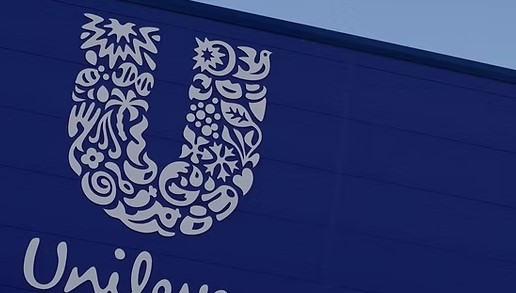
Unilever has confirmed it is in advanced discussions to combine its food division with McCormick & Company.
The proposed deal would see Unilever spin off its food business and merge it with the US-based spice maker in a Reverse Morris Trust structure, allowing for tax efficiencies.
The transaction is expected to include an upfront cash component of approximately $15.7 billion, with Unilever shareholders retaining a 65% stake in the combined entity.
If completed, analysts estimate the newly formed business could exceed $60 billion in value, combining Unilever’s sizeable food portfolio with McCormick’s strong position in spices, seasonings and condiments.
The potential merger marks the most significant strategic move to date by CEO Fernando Fernandez, who took the helm in March 2025. It follows the spin-off of Unilever’s ice cream business last year, which included brands such as Ben & Jerry's and Magnum.
The move signals a continued shift away from slower-growing food categories toward higher-margin personal care and beauty segments. While Unilever’s food unit remains profitable, its growth has lagged behind other divisions, weighing on the company’s broader target of 4-6% sales growth.
Unilever’s food business, home to legacy brands like Marmite, Colman's and Horlicks, accounts for just over a quarter of its €50.5 billion annual revenue. However, shifting consumer preferences toward fresh and minimally processed foods have challenged long-term growth in the packaged goods segment.
Under the proposed structure, certain assets, including Unilever’s food operations in India, would be excluded from the transaction.
In a statement on its website, Unilever noted that discussions are ongoing and that no final agreement has been reached, though a deal could be concluded imminently.
In additional reporting by Reuters, Unilever has imposed a global hiring freeze across all divisions, highlighting mounting pressures on the food and beverage sector as geopolitical instability disrupts supply chains and drives up costs.
According to an internal memo, seen by the news agency, Unilever said the freeze will take effect immediately and remain in place for at least three months.
The decision comes in response to escalating economic uncertainty linked to the ongoing conflict in the Middle East, particularly the intensifying Iran war, which has sent shockwaves through global energy and commodities markets.


comments


Other categories
Recent Comments