


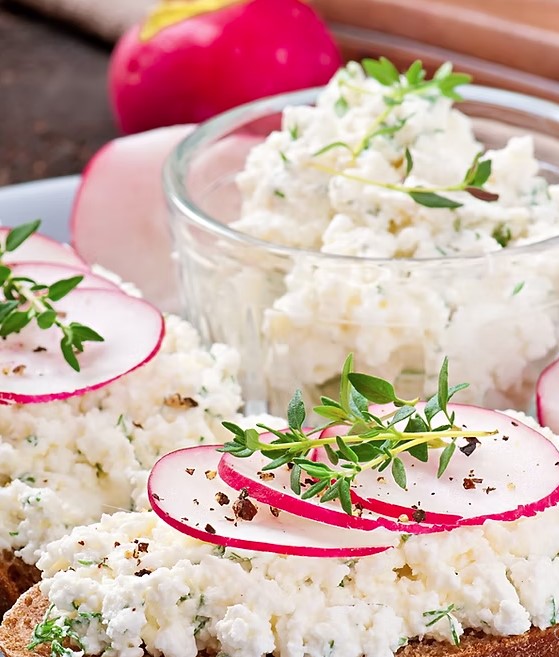
Cottage cheese is undergoing an unexpected resurgence, fuelled by shifting consumer priorities and the viral power of social media. Once considered a humble staple, it is now being reimagined as a high-protein, versatile product that aligns perfectly with modern health and wellness trends. As Joanna Ilczyszyn, commercial manager of cheese at Tetra Pak explains, this surge in demand presents a strategic opportunity to diversify, innovate and unlock new value, often using capabilities they already have in place.
Driven by the so-called 'TikTok boom,' cottage cheese is having its moment.
Spurred by increasingly health-conscious consumers who seek products that deliver high-quality protein with low fat and sugar, demand has skyrocketed. By the early 2030s, worldwide consumption is expected to approach 1.75 billion kilograms.
This comes at a time when evolving consumer preferences are also reshaping the dairy industry more widely, such as the rising popularity of plant-based milks. For many traditional dairy producers, this rapid change in tastes and lifestyles may seem like a threat that disrupts their core business model and necessitates a switch to costly all-new equipment ranges. However, it actually presents a great opportunity: high-margin, fast-growing categories like cottage cheese allow dairy producers to diversify their portfolios and capitalise on consumer trends by leveraging existing assets.
Make use of your existing equipment
Cottage cheese isn't a ripened blue or hard cheese that takes weeks or months to mature. It’s a fresh product with a fast turnaround. It can be on the shelf and on sale immediately after production and has a similar shelf life to yogurt.
It’s not an over exaggeration to say that any dairy already producing fresh dairy products, like yogurt or kefir, probably has a set-up suitable for cottage cheese. Entering the market doesn't need to be a major investment because most dairy producers don't have to build a plant from scratch. They already have the required infrastructure: milk and cream preparation systems, fermentation tanks that can be adapted for dressing formulation, cold storage and chilled distribution, and filling equipment that can be used across multiple product types.
When adding cottage cheese to the portfolio, existing dairy producers don't even have to switch away from other products. It is possible to produce cottage cheese for part of the day, then simply clean the machines and switch to another fresh dairy product, such as cream cheese.
With the right processing partner, dairy producers can adapt existing assets, launch quickly and scale without heavy upfront investment. And because cottage cheese production is well-suited to modular expansion, dairy producers can start with a smaller investment and then build upon that as they respond to demand with increased volumes and more advanced recipes.
Look at reducing costs
When considering whether to invest in a cottage cheese line – be that building new or adapting existing equipment - it's important to evaluate the total cost of ownership (TCO). This means looking beyond initial capital expenditure to understand ongoing costs such as energy and water consumption, yield and product loss, cleaning cycles and downtime and equipment lifespan. The right line addresses all of these to deliver efficiency in the long term.
Across processing portfolios, innovations such as advanced separation and blending systems demonstrate significant reductions in energy use and product loss, doing more with less and cutting operational costs.
Innovate, innovate, innovate
Today, classic cottage cheese dominates shelves. But the real growth opportunity lies in innovation. When producers innovate in recipe development and production processes, they can present in-demand choices like refined flavour profiles, creamier textures and enhanced nutritional or functional benefits.
We have seen this pattern before with Greek yogurt and skyr. A niche high-protein offering evolves into a premiumised category with diversified variants. As cottage cheese follows a similar trajectory, opportunities include indulgent flavour combinations such as honey or spicy herbs, child-focused formats, lactose-free options and functional variants enriched with additional protein, probiotics or vitamins.
Smart dairy producers apply the same innovative thinking to production as they do to products. While starter cultures drive fermentation, the way they're handled within the line has a direct impact on texture and taste. By designing process solutions that maximise ingredient performance, producers can differentiate beyond commoditised cottage cheese and command higher value.
Cottage cheese also creates side-stream opportunities. Raw cow’s milk in the EU contains on average 4% fat, and classic full-fat cottage cheese ends up with only around 25% of that fat in the final product. The remaining 75% doesn't have to go to waste. That's approximately 30 kg of fat per 1,000 litres of milk, which can be channelled into parallel production of high-margin products such as butter, whipped cream desserts, ice cream or anhydrous milk fat.
A strategic move, not a niche add-on
Cottage cheese responds to consumer demand for health, convenience and premium options – three key drivers shaping the future of dairy.
To capitalise on this opportunity, producers can use existing assets, launch quickly and expand modularly as market demand grows. The key is to invest in the right line solutions and process control to move beyond commoditised cottage cheese, capturing both the current cottage cheese wave and the next innovation wave.
By adopting best-practice lines and integrated solutions, producers gain consistent, repeatable quality, maximise yield efficiency and position themselves for sustained product innovation.
Whether creating high-protein variants, lactose-free versions or flavour-driven premium formats, the right technical foundation helps turn the cottage cheese opportunity into a resilient, premium category within any dairy portfolio.


comments


Other categories
Recent Comments