


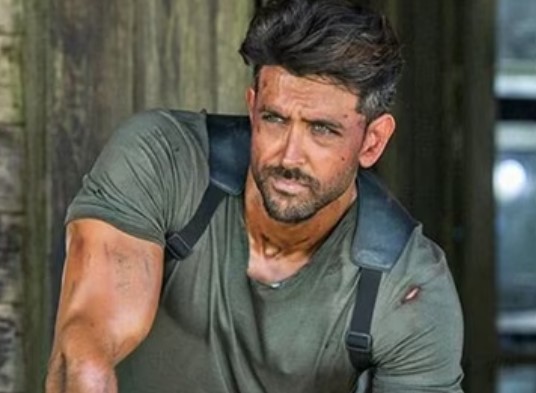
Hrithik Roshan proposes a mindset shift necessary for decision-making skills, which is especially relevant for indecisive people.
Whenever you are about to make a decision, overthinking tends to kick in by default. And for good reason, you start looking for a safety net, imagining what could go wrong, running through endless ‘what ifs’ and different scenarios. But this limbo of overthinking is exactly what you need to break out of and act instead.
Take it from Bollywood actor Hrithik Roshan, who advocates for conviction in decision-making and avoiding the trap of going in circles with doubt.
What did Hrithik Roshan say?
The actor revealed his perception of decision-making skills, “Never ever second-guess yourself. Decide, just make a decision and don’t second-guess yourself, because one way or the other, it is going to help you. But if you stay in that dilemma, that is ek toh suffering (one, you are already suffering), and upar se (on top of that) the bear that has come in front of you will kill you. So you should never second-guess yourself. Make a strong decision and go with it. One way or the other, you will learn. If it is the wrong one, you will learn. If it is right, you will learn.”
What did Hrithik Roshan's quote mean?
Decision-making is not easy. You are confronted with different options, some of which can be life-changing. Ruminating over them is natural, and decision paralysis tends to set in during this time. But overcoming it is important. You need to trust your gut and take a decision with unwavering conviction.
But why is it important to come out of this purgatory of ‘what ifs’? Hrithik Roshan uses the metaphor of a bear to show indecision can cost you, often more than making the wrong choice. And even if you do take a wrong decision, it still becomes a learning experience, just like a right one. Missing an oppurtunity is more likely to lead to regret than taking a chance and getting it wrong.When you stay in a loop of doubt for too long, you also continue to experience the discomfort of decision paralysis. That is why it is crucial to build the confidence to act and stop overanalysing. Regardless of the outcome, you will always walk away with something valuable: learning. Stop trying to control every variable and accept the outcome as it is. This mindset also helps to deal with failures better, which is critical for growth.


comments


Other categories
Recent Comments