


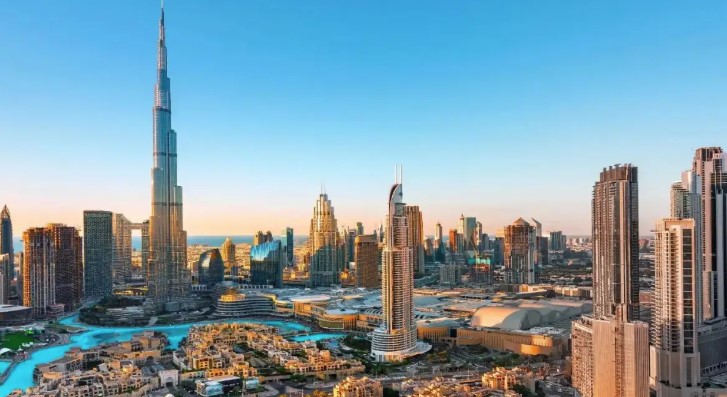
Dubai property prices fell for the first time since the pandemic, with demand hit by regional tensions, declining sales and investor caution, though developers remain optimistic amid continued liquidity and long-term growth bets.
Dubai’s red-hot property market is showing signs of strain, with home prices falling for the first time since the pandemic as regional conflict dents demand and investor confidence. According to a Bloomberg report, home price index compiled by ValuStrat, showed a drop of 5.9% in March from the previous month, marking the first decline since 2020. Despite the fall, prices are still at levels seen about six months ago.
The slowdown highlights the immediate impact of geopolitical tensions on Dubai, which is part of the United Arab Emirates. The city’s property boom had been fuelled by foreign investors and expatriates, with prices surging more than 70% since 2020.
War Impact Hits Demand, Transactions Slide
The rally is now being tested by instability in the region, particularly after tensions involving Iran, the United States and Israel escalated earlier this year.Data from REIDIN shows the value of residential property sales dropped nearly 20% to 37.2 billion dirhams ($10.1 billion) in March, while transaction volumes fell to around 13,000 from nearly 16,000 a month earlier, the report said.
“The market is not going to immediately return to what it was before and we think there’s going to be a softening of pricing,” said Louis Harding, CEO of Betterhomes. “We expect demand to be impacted because there’s a chance that population will not grow at the same pace of recent years, at a time of significant hand over numbers.”
Analysts say the dip may have been worsened by seasonal factors like Eid holidays and unusually heavy rainfall, but warn that a softer trend could continue in the coming months.
Resilience Holds, But Risks Remain
Despite the slowdown, developers remain cautiously optimistic. Dubai has tried to make itself a long-term destination through policies like golden visas, attracting more permanent residents.
“There still is liquidity in the market,” Katralnada Binghatti, CEO of Binghatti Holding, told Bloomberg Television. “The market behavior still seems relatively stable.”
However, risks persist, especially in the off-plan segment, which accounts for nearly three-quarters of transactions. Sales in this segment dropped about 13% in March, reflecting growing caution among investors.
“There are jitters in the market and off-plan will be the first to suffer because it’s speculative,” said Sahil Khosla, CEO of SOHO Development. “But we’re not worried the property market will cliff-dive because there are more end-users than ever before and any discounts we are seeing come after a massive ramp up in valuations over the past five years.”
Even as uncertainty lingers, developers continue to launch new projects and offer incentives to sustain demand.
“I expected sales to be lower in a situation like this but we’re still seeing sales,” said Imran Farooq, CEO of Samana Developers. “It’s taking a little longer to sell, but sales are happening with buyers from within the UAE as well as from Egypt and India.”
For now, Dubai’s property market remains under pressure, with its future trajectory closely tied to regional stability and investor sentiment.


comments


Other categories
Recent Comments