


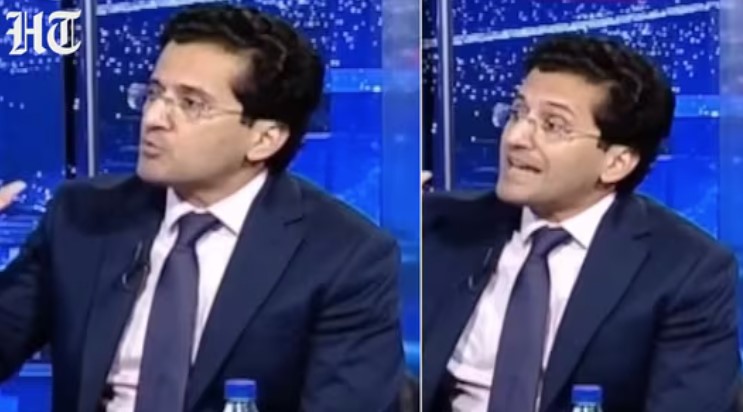
He went on to reveal that Islamabad has crude stocks for just “five to seven days”, in contrast, India can tap into its reserves “with just a single signature.”
Pakistan has acknowledged energy vulnerability as global crude prices surge, admitting it does not have “strategic oil reserves like India” to cushion the blow. The remark comes as oil prices climb to $126 per barrel, driven by disruptions in the Strait of Hormuz amid ongoing Middle East tensions.
Speaking in an interview with Samaa TV, Pakistan's petroleum minister Ali Pervaiz Malik laid out the scale of the challenge, saying, “We don't have any strategic oil reserves. we only have commercial reserves”.
He went on to reveal that Islamabad has crude stocks for just “five to seven days”, in contrast, India can tap into significantly larger reserves “with just a single signature.”
Stark comparison with India’s reserves
The contrast with India has become central to Islamabad’s concerns. Malik claimed that India maintains an estimated 60–70 days of combined strategic and commercial reserves, allowing it to better absorb global shocks.
He also highlighted broader economic differences, noting that India’s financial strength plays a key role. “India doesn't just have 600 Arab dollars worth of reserves, but they also maintain strategic reserves,” he said, explaining that this combination helps New Delhi “cushion this crisis.” He added that India has had the fiscal room to respond, including reducing taxes as oil prices climbed.Despite ongoing disruptions in global supply chains, petrol and diesel prices in India have remained largely stable. During an inter-ministerial briefing earlier in March, a spokesperson for the petroleum ministry had said that the country’s “actual stock cover is around 60 days right now”, adding that it also holds about “800,000 tonnes of LPG
Protests and price shocks in Pakistan
Back in Pakistan, the energy crunch has spilled onto the streets. A steep rise in fuel prices – including a 42.7 per cent jump that pushed rates from PKR 321.17 to PKR 458.41 – triggered widespread protests and shortages, according to a report by news agency ANI.
Although Prime Minister Shehbaz Sharif later cut petrol prices by PKR 80 to PKR 378 per litre, the relief has done little to fully calm public anger as supply pressures persist.
Fuel prices in New Delhi on Saturday stood at ₹94.77 per litre for petrol and ₹87.67 per litre for diesel
IMF constraints limit policy options
Pakistan’s response has also been shaped by its commitments to the International Monetary Fund (IMF), which Malik said has restricted the government’s flexibility. He revealed that Islamabad had to engage in backchannel negotiations to ease the burden on consumers.
Detailing the balancing act, Malik said, “Now, with diesel prices rising up to 3-4 times, we decided to reduce the levy to zero on diesel and shift the entire burden to petrol while protecting motorcyclists by giving them targeted subsidy.” At the same time, he warned against breaching IMF commitments, adding that doing so could have led to even worse consequences.
He noted that these negotiations ultimately helped secure a reduction in levies, saying, “We conducted backchannel negotiations with the IMF and convinced them to reduce the levy by 80 rupees per litre.”


comments


Other categories
Recent Comments