


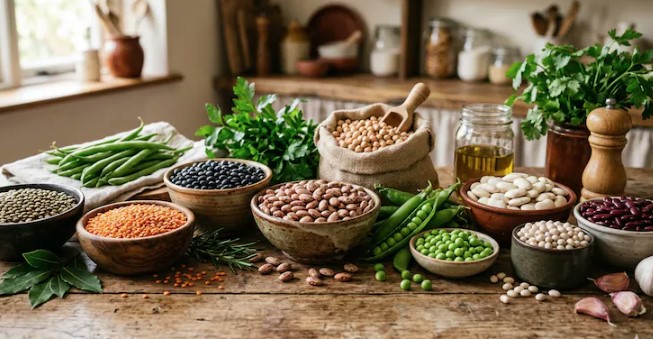
The meta-analysis published 12 prospective cohort studies, individuals with the highest intake of legumes and soy had a 16% and 19% lower risk of developing hypertension compared with those with the lowest intake.
What you put on your plate every day may play a bigger role in controlling blood pressure than you realise. Research published in the journal BMJ Nutrition Prevention and Health, suggests that plant-based protein sources such as soy, lentils, and beans could help lower the risk of developing high blood pressure. These foods are rich in fibre, potassium, antioxidants, and plant compounds that support heart health and blood vessel function. Experts say replacing some processed or high-fat animal-based foods with legumes and soy products may offer long-term cardiovascular benefits. The findings add to increasing evidence that simple dietary changes can make a meaningful difference in preventing chronic diseases.
What Did the Study Find?
The meta-analysis published 12 prospective cohort studies, people with the highest intake of legumes and soy had a 16% and 19% lower risk of developing hypertension compared with those with the lowest intake. Researchers found that people who regularly consume plant-based protein foods, particularly soy products, lentils, and beans, showed a lower risk of developing high blood pressure. These foods may help by:
- Improving blood vessel function
- Reducing inflammation
- Supporting healthy cholesterol levels
- Providing minerals important for blood pressure regulation
Why Are Legumes Good For Heart Health?
Legumes such as lentils and beans are packed with nutrients that support cardiovascular health. The meta-analysis demonstrates that higher intake of legumes and soy foods is associated with a reduced overall incidence of hypertension and provides new evidence of a dose-dependent relationship, with benefits observed up to 170 g of legumes and 60-80 g of soy foods per day. Notably, this is the first meta-analysis to specifically evaluate the association between soy food consumption and hypertension risk. They contain:
- Fibre, which may help lower cholesterol
- Potassium, which helps balance sodium levels
- Magnesium, important for blood vessel function
- Plant protein, a healthier alternative to processed meats
Soy foods also contain compounds called isoflavones, which may help relax blood vessels and improve circulation.
How Diet Affects Blood Pressure
High blood pressure develops when the force of blood against artery walls remains elevated over time. Diet plays a major role because excess salt, processed foods, unhealthy fats, and obesity can increase strain on blood vessels. On the other hand, diets rich in vegetables, fruits, legumes, and whole grains are linked to better heart health and lower blood pressure levels.
Other Foods That May Help Lower Blood Pressure
Along with soy and legumes, experts often recommend:
- Leafy green vegetables
- Bananas and potassium-rich fruits
- Nuts and seeds
- Whole grains
- Low-fat dairy products
Limiting processed foods and reducing excess salt intake are also important.
Can These Foods Replace Medication?
While healthy eating can support blood pressure control, people diagnosed with hypertension should continue prescribed treatment unless advised otherwise by a doctor. Diet works best as part of an overall lifestyle approach that includes:
- Regular physical activity
- Weight management
- Good sleep
- Stress reduction
Who Should Be More Careful About Blood Pressure?
You may have a higher risk if you:
- Have a family history of hypertension
- Are overweight
- Consume excess salt or processed foods
- Smoke or drink heavily
- Have diabetes or kidney disease
Regular blood pressure checks are important because hypertension often causes no symptoms in the early stages. Soy, lentils, and beans are more than just healthy pantry staples, they may also help protect against high blood pressure and support long-term heart health. Experts say adding more plant-based protein foods to your diet could be a simple yet effective way to reduce cardiovascular risk while improving overall nutrition.


comments


Other categories
Recent Comments