


One of the foremost unanswered questions is regarding the restrictions on Iran's enrichment and what should happen to the stockpile of highly enriched uranium Tehran has now.Washington:
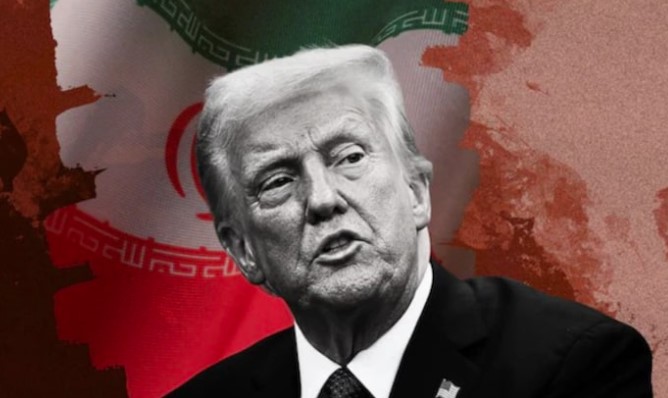
After countless false starts over 106 days, the United States and Iran have finalised a deal to end the war between them, with both sides claiming victory, quite predictably. US President Donald Trump, on the occasion of his 80th birthday, has declared, "This Great Deal will bring peace and security to the whole region."
Iran, which let the clock strike past midnight per its standard time to greenlight the agreement, labelled the memorandum of understanding as the country's military achievement. Iran's deputy foreign minister, Kazem Gharibabadi, said the deal put an "immediate end" to the countries' war and that Tehran would hold talks within two months to seek a "final agreement".
Both parties said the deal to halt fighting for 60 days, release Iran's stranglehold on oil shipping routes in the Strait of Hormuz and end the US naval blockade would be signed at a formal ceremony in Geneva, Switzerland, on Friday, July 19. But a dearth of details about the terms has raised some immediate questions about the future of high-stakes diplomatic agreements
US-Iran Deal Hinges On These Things
The Nuclear Problem: One of the foremost unanswered questions is regarding the restrictions on Iran's enrichment and what should happen to the stockpile of highly enriched uranium Tehran has now. The Trump administration didn't immediately comment on the details of the agreement, which may prove contentious as the US presses its efforts to end Tehran's nuclear ambitions and deal with its stockpile of highly enriched uranium -- believed to have been buried by US strikes last year.
Both sides said they'll hold "technical" talks during a 60-day extension of the current ceasefire. But the decades of negotiations and coercion have shown that there are no guarantees that Iran will easily give up its nuclear ambition, no matter what the US believes is secured in this "memorandum of understanding".
As if to hammer the point home, Iran's Supreme National Security Council, in its statement, said the "final negotiations will be postponed until after the implementation of the other party's commitments under the memorandum".
What those commitments are – and how Tehran interprets them – will help determine whether this deal sticks beyond the 60-day ceasefire.
Israel Wildcard: Another revolving piece of the puzzle is Israel. Trump told the Wall Street Journal that he was furious at Israeli Prime Minister Benjamin Netanyahu for ordering strikes on Lebanon this weekend that he believed almost derailed the almost-completed Iran deal. Talking to the NYT, the US leader called Netanyahu "a very difficult guy" and claimed that Israel "should be very thankful" to the US for negotiating a peace deal, deterring Iran from getting a nuclear weapon.
But the deal could be difficult for Israel to accept, which has not been included in the peace negotiations and did not immediately respond to news of the agreement on the US-Iran deal. Israeli PM Netanyahu is set to face elections this year and is reportedly under domestic pressure to continue pursuing the conflict with Iran and its proxies, including Hezbollah in Lebanon -- seen behind the Hamas' October 7, 2024, attack.
In fact, Israel's defence minister has said the Jewish state won't withdraw from land seized in Lebanon as the interim deal between Iran and the United States is pending.
Israel Katz's remarks were the first official Israeli comments after the announcement of the interim deal. Katz said Israel plans to stay "indefinitely" in lands it holds in Lebanon, as well as Syria and the Gaza Strip.
Katz also threatened that if Iran attacks Israel over Israeli strikes in Lebanon, Israel will strike Iran with "great force." Over the past two and a half years, Israel has taken control of areas in Gaza, Lebanon, and Syria, amounting to 1,000 square kilometres (386 square miles) of territory -- an area that is slightly smaller than New York City.
The Hormuz Troubles: Trump said the Strait of Hormuz -- a key conduit for global oil supplies -- would reopen after the planned signing of the deal on Friday. A deal that unblocks the strategic corridor and to end two competing blockades is welcome news for importers and for the wider market, but with economic strangulation gone, Tehran might be much more likely to delay negotiations.


comments


Other categories
Recent Comments