


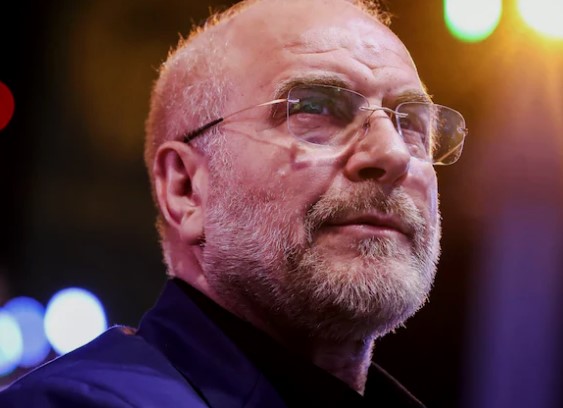
Iran's top negotiator, Mohammad Bagher Ghalibaf, however, said that Iran is engaging diplomatically with the US from a "position of strength".New Delhi:
Iran's top negotiator, Mohammad Bagher Ghalibaf, has called the signing of a peace deal with the US to end the months-long war in the Middle East a "record of failure" for Washington.
Ghalibaf made the comments on state TV after both the US and Iran released their memorandums.
"The agreement is a record of US failure. People will see it and judge," he said.
He, however, said that Iran is engaging diplomatically with the US from a "position of strength".
"The difference between the current negotiations and previous periods is that today, this banner of battlefield victory, which both enemies and friends have acknowledged, serves as the backing for negotiations. Every war that ends in victory, if it does not ultimately lead to a legal and political document and those victories are not recorded, will bring no benefit," the Iranian negotiator added.
Iran on Hormuz
Ghalibaf clarified that the Strait of Hormuz - a vital maritime chokepoint between the Persian Gulf and the Gulf of Oman through which a significant portion of the world's oil supply passes - will not return to the pre-war conditions. He added that Tehran would charge ships crossing the Strait after a 60-day fee-free period stipulated in a memorandum of understanding with the US.
"Strait of Hormuz will not return to pre-war conditions. Iran has the right to sovereignty over the Strait of Hormuz and of course we will receive a fee for services," he said.
US-Iran deal signed
US President Donald Trump and his Iranian counterpart, Masoud Pezeshkian, signed a peace deal today, aimed at bringing an end to the months-long war in the Middle East. Trump put his signature to the memorandum of understanding during dinner with French President Emmanuel Macron at the Palace of Versailles following a G7 summit.
The 14-point US-Iran agreement provides for an immediate cessation of military operations, including in Lebanon, and commits both countries to pursuing a final agreement within 60 days. It also includes provisions for the removal of the US naval blockade, safe passage of commercial vessels through the Strait of Hormuz, phased sanctions relief, the release of frozen Iranian assets, and a US-backed economic development programme for Iran worth at least USD 300 billion.
The memorandum also states that Iran has reaffirmed it will not develop or acquire nuclear weapons and envisages future discussions regarding enriched uranium stockpiles under the supervision of the International Atomic Energy Agency (IAEA).
Moments before signing the deal, Trump - who was seated next to French President Emmanuel Macron - said, "This was not easy - that I can tell you".
The Iranian Embassy in India also posted pictures of Pezeshkian holding the signed peace deal.
Iranian Foreign Ministry spokesperson Esmaeil Baqaei, who confirmed the signing of the peace deal with the US, said it is now "time to test" the implementation of the agreement. "The text of the Islamabad Memorandum of Understanding was finalised with the signatures of the presidents -- now it is time to test the implementation of the agreement," he said.


comments


Other categories
Recent Comments