


The European Commission has published its new Protein Action Plan alongside a Livestock Strategy, aiming to boost the resilience of Europe’s agri-food sector and address market challenges.
The plans, launched yesterday (7 July 2026), aim to reduce dependencies on imports and reinforce European food security by strengthening domestic and circular resources.
In 2025, only 25% of protein from oilseeds and protein crops were sourced in the European Union. Aiming to increase the supply and use of EU-grown protein, the new Protein Action Plan includes an ambition to increase the share to 35% within the next decade.
The Commission said it will support European protein crop production and improve the competitiveness of EU-grown proteins through encouraging innovation, investment, diversified diets and improved monitoring of protein dependencies.
The plan identifies opportunities to diversify the EU’s current reliance on major exporters of soya beans and other plant proteins, a requirement that has heightened amid geopolitical and climate disruptions resulting in supply chain volatility.
It highlights the potential role of the EU neighbourhood, noting that Ukraine could play a bigger part in the EU’s plant protein imports with a production of 13.5 million tonnes of plant-based protein annually. In a perspective accession, Ukraine could increase the EU’s plant protein autonomy from 76% to 86%, the Commission said.
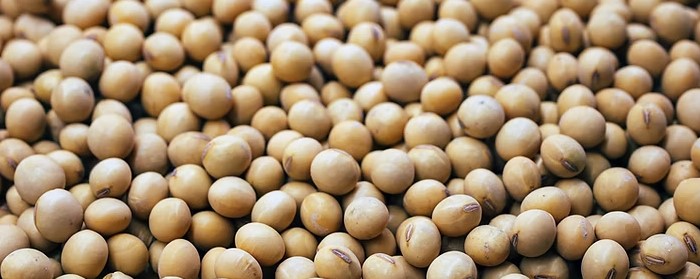
Other measures highlighted by the Commission to increase autonomy include providing incentives for European farmers to promote domestic production of pulses and soya, prioritising crops suitable for local conditions. In 2024-2025, the EU imported 13.4 million tonnes of soya bean and soya meal protein according to USDA data, with Brazil, Argentina and the US supplying the majority.
Additionally, funding could support processing infrastructure and facilitate improved collaboration across the protein crop value chain.
Within the Livestock Strategy, the Commission sets out ambitions to bolster the sector’s competitiveness and improve animal welfare and sustainability. Measures addressed include managing the impact of animal diseases, funding the transition to cage-free systems and circular technologies, and developing harmonised methods for calculating and monitoring livestock emissions at farm level.


comments


Other categories
Recent Comments