


Independence Day 2026: Over 1,200 Partition refugee families to move from 361 sq ft tenements bought at ₹14 per sq ft to 635 sq ft flats after 70 years
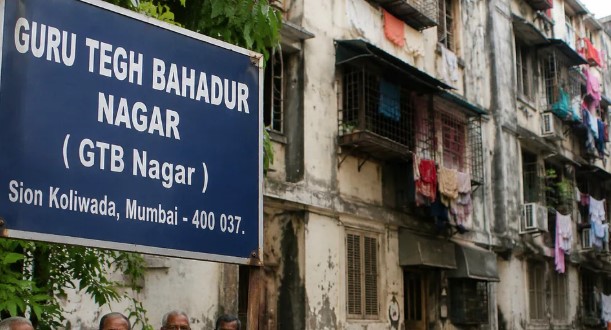
In the aftermath of Partition, the government rehabilitated Sindhi and Punjabi refugees who migrated from Pakistan by providing them with 361 sq ft homes in Mumbai’s GTB Nagar in the 1950s. The homes were allotted at around ₹5,300. More than seven decades later, these families are expected to receive larger 635 sq ft redeveloped homes, marking a significant shift in the housing conditions of communities that began rebuilding their lives in Mumbai after Independence.
These refugee families, settled in what is now Guru Tegh Bahadur Nagar in Sion Koliwada, were allotted apartments of around 40 square yards, or approximately 360 sq ft, for about ₹5,380 each. The rate worked out to roughly ₹14-15 per sq ft.
The homes were part of a government rehabilitation programme for people displaced during Partition. Beginning in 1957, more than 1,200 refugee families were settled in around 1,200 apartments across 25 buildings constructed specifically for them. Families were allowed to pay for the apartments in instalments, making home ownership more accessible as they rebuilt their lives in India.
More than seven decades later, the contrast with Mumbai’s property market is stark. According to local brokers, prevailing property rates in the locality are around ₹25,000-35,000 per sq ft, compared with ₹14-15 per sq ft at which the apartments were originally allotted. While this represents a dramatic rise in the notional value of the properties, residents have had limited ability to realise that value because of the deteriorating condition of the buildings.
The GTB Nagar colony was among several refugee settlements created in Mumbai after Partition. More than 5,000 families were provided homes across five colonies, including Sion Koliwada, Wadia Trust Estate in Kurla, Chembur Colony, Thakkar Bappa Colony in Chembur and Mulund Colony. The rehabilitation was carried out under the Displaced Persons (Compensation and Rehabilitation) Act, 1954.
Over the years, many families who became financially better off moved out, selling their apartments to other refugees and, in some cases, non-refugees. Others stayed on, hoping the ageing buildings would eventually be redeveloped. By the late 1990s, residents had started receiving notices to vacate as the structures deteriorated.
The Brihanmumbai Municipal Corporation (BMC) declared the buildings unsafe in 2020 and subsequently demolished several of them. Affected residents were forced to find alternative accommodation, according to MHADA. While many buildings were vacated, some residents either refused to leave or later reoccupied them, putting their lives at risk.
The project will rehabilitate around 1,200 Sindhi refugee families who migrated to India from Pakistan after Partition. Under the redevelopment plan, eligible families will receive 635-sq-ft apartments in exchange for their existing homes in dilapidated buildings.
The 11.20-acre project will also rehabilitate around 200 slum dwellers. The redevelopment will generate 25,700 sq m of MHADA housing stock, with a permissible Floor Space Index (FSI) of 4.5, including fungible FSI.


comments


Other categories
Recent Comments